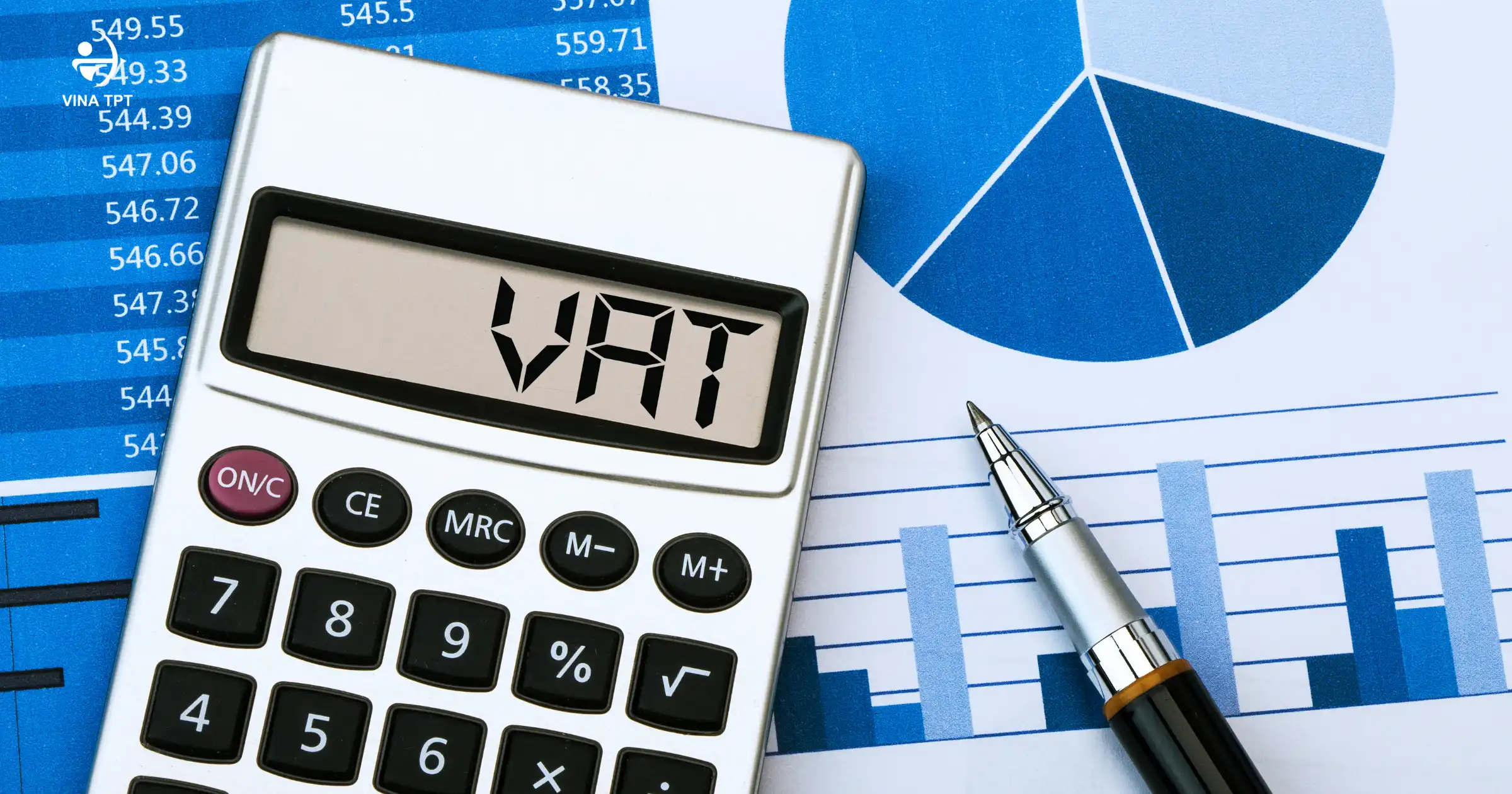
1.4. Regarding VAT declaration and payment of export processing enterprises (EPEs)
Official dispatch No. 3905/HYE-QLDN3 dated October 31, 2025 of Hung Yen Provincial Tax Department has provided the instructions regarding VAT declaration and payment of export processing enterprises (EPEs) as below:
- VAT payers:
- The enterprise is not a VAT payer for production activities for export (export processing activities) and is not required to declare VAT for this activity.
- Export processing enterprises must pay VAT if they carry out business activities other than export processing activities, for example:
-Purchase domestic goods for export (exercise export rights).
-Import goods for domestic sale (exercise import rights).
- Conditions for declaring and paying VAT (for business activities other than manufacturing activities):
- Separate accounting: Export processing enterprises must separately account for transactions of buying and selling goods that are not part of export processing activities (for example, import-export activities).
- Tax registration: The enterprise needs to register for tax with the domestic tax authority to declare and pay VAT separately for these other business activities.
- Arrangement of separate areas: The arrangement of the storage area for goods serving processing activities must ensure separation from the storage area for goods serving other production and business activities.
- VAT declaration period:
- Monthly declaration: According to the provisions of Point a, Clause 1, Article 8 of Decree No. 126/2020/ND-CP, the enterprise shall declare VAT monthly.
- Quarterly declaration: If the enterprise meets the criteria specified in Point a, Clause 1, Article 9 of Decree No.126/2020/ND-CP (total revenue from sales of goods and provision of services of the previous year is 50 billion VND or less), the enterprise can choose to declare VAT quarterly.
- Using invoices:
- If the enterprise declares VAT using the deduction method, use VAT invoices.
- If the enterprise declares VAT using the direct method, use sales invoices.
- When selling goods and providing services domestically and when selling goods and providing services between organizations and individuals in duty-free zones, exporting goods and providing services abroad, the invoice must clearly state “For organizations and individuals in duty-free zones”.
In short, under the latest Vietnam tax policy updates, export processing enterprises are only required to declare and pay VAT for business activities other than export processing activities (production of export goods). These enterprises must separately account for such activities and register for tax to declare and pay VAT in accordance with regulations. The VAT declaration period may be monthly or quarterly, depending on the revenue of the previous year.
2. PERSONAL INCOME TAX (PIT)
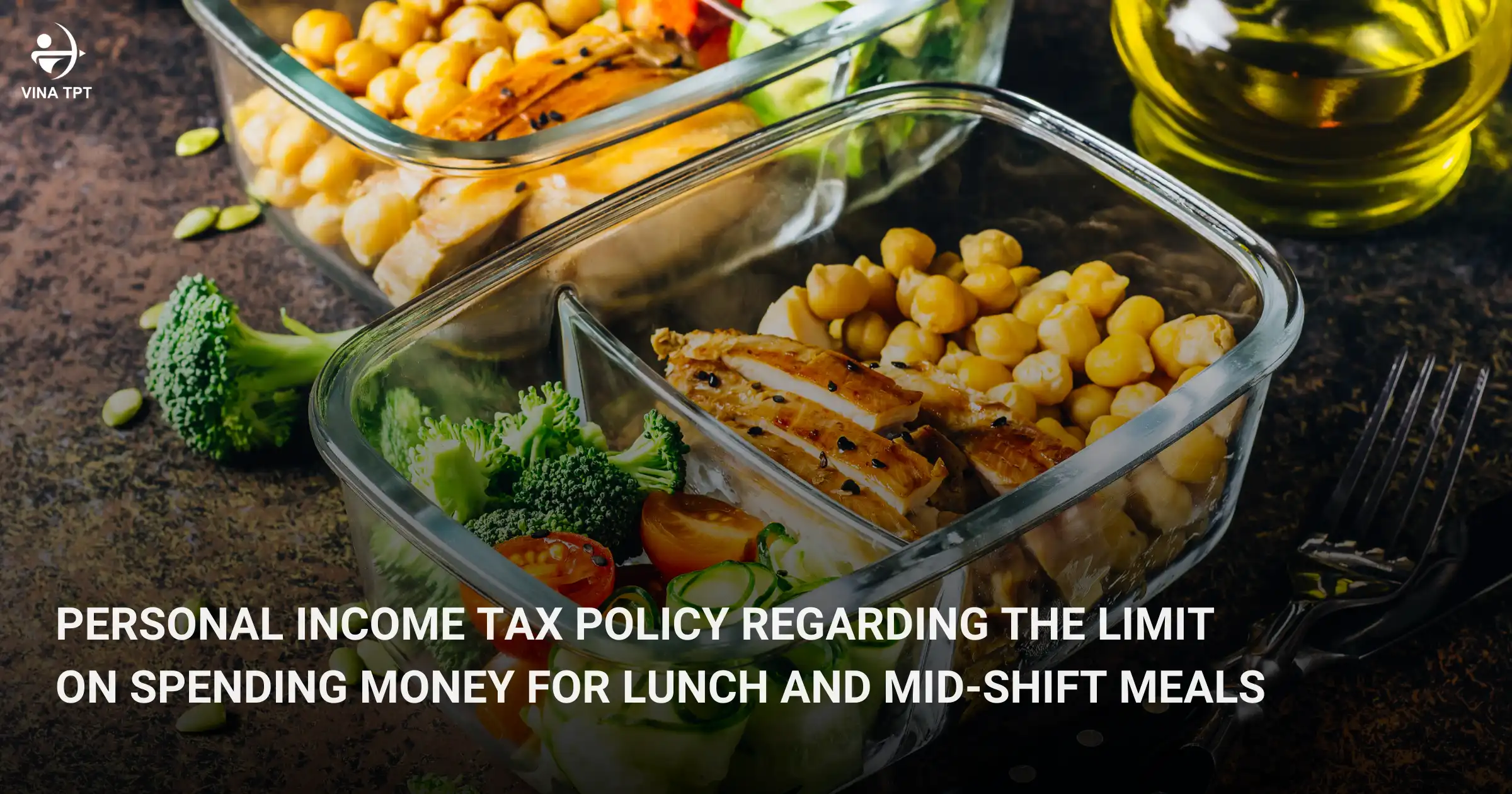
2.1. The Personal income tax policy regarding the limit on spending money for lunch and mid-shift meals
As part of the Vietnam tax policy updates, Official Dispatch No. 5106/CT-CS dated November 12, 2025, issued by the Tax Department, provides guidance on personal income tax policy regarding the limits on lunch and mid-shift meal expenses used as a basis for determining personal income tax. In this dispatch, the Tax Department cites the following regulations and instructions for reference:
- Article 103 of the Labor Code No. 45/2019/QH14 stipulates that “The regime of salary increase, promotion, allowances, subsidies and incentives for employees is agreed upon in the labor contract, collective labor agreement or regulations of the employer”.
- Clause 1, Article 33, Clause 9, Article 34 of Decree No. 44/2025/ND-CP on salary and bonus regimes in state-owned enterprises stipulates: “This Decree takes effect from April 15, 2025 and the regimes in this Decree are implemented from January 1, 2025”. “The mid-shift meal regime or fixed-quantity meal regime for employees, Executive Board, Board Members, and Supervisors is implemented according to the agreement in the collective labor agreement or the internal rules and regulations of the enterprise according to the provisions of the Labor Code”.
- Article 10 of Decree No. 248/2025/ND-CP on salary and bonus regimes in state-owned enterprises stipulates: “This Decree takes effect from September 15, 2025 and the regimes in this Decree are implemented from August 1, 2025. Decree No. 44/2025/ND-CP is abolished”.
- Section g.5, Clause 2, Article 2 of Circular No. 111/2013/TT-BTC stipulates: “In case the employer does not organize mid-shift meals or lunch but pays for the employee, it is not included in the taxable income of the individual if the level of expenditure is in accordance with the guidance of the Ministry of Labor – Invalids and Social Affairs. In case the level of expenditure is higher than the guidance of the Ministry of Labor – Invalids and Social Affairs, the excess expenditure must be included in the taxable income of the individual. The specific expenditure level applicable to state-owned enterprises… shall not exceed the guidance of the Ministry of Labor – Invalids and Social Affairs. For non-state-owned enterprises… the expenditure level shall be decided by the head of the unit in agreement with the chairman of the trade union but shall not exceed the level applicable to state-owned enterprises”.
- In Vietnam tax policy updates: Official Dispatch No. 1387/CTL&BHXH-TLSXKD dated September 29, 2025 of the Ministry of Home Affairs, it is instructed: “According to the provisions of Article 103 of the Labor Code, incentive regimes for employees are agreed upon in the labor contract, collective labor agreement or regulations of the employer. The mid shift meal regime for employees, Executive Board, Council members, and Controllers in state-owned enterprises from January 1, 2025 to July 31, 2025 is implemented according to the provisions of Clause 9, Article 34 of Decree No. 44/2025/ND-CP on salary and bonus regimes in state-owned enterprises; from August 1, 2025, it is implemented according to the provisions of the Labor Code”.
According to Vietnam tax policy updates, the current allowance of VND 730,000 per month for mid-shift meals has been abolished. Instead, enterprises may determine a reasonable allowance level based on the agreements in the collective labor agreement or in the company’s internal rules and regulations. In the case where the Company incurs expenses for mid-shift meals for employees working at the company, if this allowance is specifically stipulated regarding eligibility conditions and allowance levels in the labor contract, the collective labor agreement, or the company’s internal rules and regulations, it shall not be included in taxable personal income (PIT). If the allowance exceeds the stipulated level, the excess amount will be included in taxable PIT income.
3. LABOR
3.1. Regarding Salary payment for foreign employees moving within the enterprise
Official dispatch No. 10861/BNV-CVL dated November 19, 2025 of the Ministry of Home Affairs on domestic salary payment for foreign employees moving within the enterprise.
The Ministry of Home Affairs notes that, in the case of “foreign workers being paid (in Vietnam)”, before the expected working date, the enterprise employing the foreign worker must request a work permit and sign a labor contract as prescribed (Clause 1, Article 13, Point d, Clause 1, Article 21 of the Labor Code No. 45/2019/QH14 and Point a, Clause 1, Article 2, Clause 4, Article 22 of Decree 219/2025/ND-CP), and must also participate in compulsory social insurance in Vietnam for this person as prescribed (Point a, Clause 2, Article 2 of the Law on Social Insurance No. 41/2024/QH15).
The case of “foreign employees being paid in Vietnam” (performing procedures to request a work permit) and the case of “foreign employees transferring within the enterprise” (performing procedures to request a certificate of not being subject to a work permit under Article 8 of Decree 219/2025/ND-CP) are two different cases according to the provisions of the Labor Code No. 45/2019/QH14 and guiding documents on foreign employees working in Vietnam.