Top 20 Sectors for Business Opportunities in Vietnam

Top-20-Sectors-for-Business-Opportunities-in-Vietnam-VTPT

Top-20-Sectors-for-Business-Opportunities-in-Vietnam-VTPT

1. Why Vietnam Is a Hotspot for Business

Business opportunities in Vietnam are abundant as the country emerges as one of Southeast Asia’s most attractive investment destinations, thanks to its consistent GDP growth, rapidly expanding middle class, and strong push toward industrialization. Major cities such as Ho Chi Minh City, Hanoi, Da Nang, and Hai Phong are witnessing rising consumer demand across multiple sectors, creating fertile ground for new business models and foreign startups.

FDI inflows continue to surge, with Vietnam recording one of its highest investment levels in recent years. This momentum is drawing businesses from Japan, South Korea, Singapore, the US, India, and beyond, all seeking opportunities in a market that is young, dynamic, and full of untapped potential.

In the following sections, we’ll explore key industries currently experiencing strong growth – helping foreign entrepreneurs identify where the most promising opportunities lie.

EXPLORE BUSINESS OPPORTUNITIES IN VIETNAM

2. Most Profitable Sectors to Consider

When considering business opportunities in Vietnam, investors should focus on industries with high profit potential, strong market demand and sustainable development trends. Below are 20 prominent industries:

  1. F&B: The food and beverage industry is still leading thanks to strong consumer demand, especially for restaurant, cafe and fast food chains under the franchise model. The market is oriented towards experience, quality and service, bringing stable profits to investors.
  2. Retail: Traditional retail and e-commerce are growing rapidly thanks to the expanding middle class and increasingly popular online shopping habits. Convenience store models, specialty stores and e-commerce are creating high-profit opportunities.
  3. Logistics and Supply Chain: Vietnam is becoming an export manufacturing hub, leading to a large demand for warehousing, transportation and fulfillment for e-commerce. The trend of investing in smart logistics and automated warehouses is prominent.
  4. Education & Training: Foreign language centers, soft skills training, STEM and e-learning are growing strongly, especially with startups targeting Gen Z and the FDI market.
  5. Tech Startups: Fintech, healthtech, applications and enterprise software are global investment trends, with high profit potential thanks to the ability to expand rapidly and integrate new technologies.
  6. Tourism & Hospitality: The tourism and hospitality industry has recovered strongly after the pandemic, especially experiential services, homestays and high-end resorts.
  7. Healthcare & Wellness: International clinics, health care, spas and fitness meet the growing needs of the middle class.
  8. Renewable Energy: Solar power, wind power and clean energy solutions are prioritized by investment incentives, while meeting global sustainability trends.
  9. Real Estate & Property Management: Apartments, urban areas, offices for rent and logistics real estate are increasing in price thanks to high demand for housing and commerce.
  10. Manufacturing & Supporting Industries: Manufacturing components, mechanics, household appliances for FDI and export, in line with preferential policies and supply chain connections.Top-20-Sectors-for-Business-Opportunities-in-Vietnam-VTPT
  11. Automotive & Mobility: Electric vehicles, repair services, logistics and auto parts following the green transformation trend and government support mechanisms.
  12. Agriculture & Agritech: Clean agricultural products, food processing, agricultural technology solutions to increase productivity and meet export needs.
  13. Consumer Electronics: Smart home appliances, smartphones and laptops with a dynamic young market that easily accepts new technology.
  14. Beauty & Cosmetics: Spa, imported cosmetics and skincare are growing strongly thanks to the need for personal beauty and international service standardization.
  15. Fashion & Apparel: Clothing, children’s fashion, online fashion to meet the trend of personalization and online shopping.
  16. Media & Entertainment: Digital content, movies, games, podcasts are booming thanks to the online entertainment habits of young people.
  17. Financial Services: Fintech, electronic payments, personal and business financial management following the digital trend.
  18. Professional Services: Law, accounting, management and tax consulting to meet the growing needs of FDI enterprises and startups.
  19. Green Construction: Environmentally friendly construction materials, smart homes following the sustainable and energy-saving trend.
  20. Food Processing & Export: Food processing, export of specialty agricultural products according to international standards, taking advantage of abundant raw materials and FDI investment in export.

These industries not only bring attractive profits but also suit modern consumption trends, opening up long-term opportunities for investors who know how to grasp the market and combine business strategies in the right direction.

3. Challenges New Investors Must Anticipate

Despite Vietnam’s strong potential, new foreign investors still face two major challenges: legal complexity and language barriers.

FDI enterprises must navigate stricter procedures in company registration, business licensing, and tax compliance, while differences in language and legal interpretation often slow down operations or create unnecessary risks.

However, with Vietnam’s commitment to international integration, investors are not alone. The market now has many professional corporate advisory and legal-compliance service providers that can support businesses from day one  especially those able to work fluently in English and understand the expectations of foreign founders.

Vina TPT Accounting Service is one of the trusted partners in this space, offering end-to-end support in company formation, accounting, financial reporting, and compliance for FDI enterprises. This ensures investors can enter the market smoothly, stay compliant, and focus on growing their business.

Top-20-Sectors-for-Business-Opportunities-in-Vietnam-VTPT

4. Strategic Approaches to Enter These Sectors

When entering the Vietnamese market, foreign investors can choose several effective approaches such as setting up a 100% foreign-owned company, partnering with local businesses, franchising, or pursuing M&A. Each option offers different levels of control, speed, and market access but all require strict compliance with Vietnam’s legal and licensing framework.

To avoid delays and risks, many investors rely on professional business formation and compliance partners. Vina TPT Business Formation supports foreign businesses with investment registration, company establishment, accounting, and licensing procedures, helping investors start operations quickly, stay compliant, and focus on growth.

5. How Vina TPT Supports Smart Market Entry

Vina TPT provide a full range of services:

  • Consulting on suitable investment and company structure
  • Preparing all legal documents for foreign investors
  • Company registration and obtaining required business licenses
  • Accounting, tax, and compliance support for FDI businesses
  • Ongoing advisory to ensure smooth and lawful operations in Vietnam

Turn Vietnam’s top business opportunities into real results.

Partner with Vina TPT Business Formation for fast, smooth, and compliant market entry.

Ready to expand to Vietnam? Explore our business setup services

Top-20-Sectors-for-Business-Opportunities-in-Vietnam-VTPT


Starting a Korean BBQ or Café in Vietnam? Here’s a 4-Step Registration Guide

 business-license-in-vietnam

1. Why Korean F&B Brands Are Thriving in Vietnam

Business license in Vietnam is a crucial step for any foreign F&B brand looking to enter the market. In recent years, Vietnam has become one of the fastest growing F&B markets in Southeast Asia, with spending on food and entertainment accounting for more than 35% of young consumers’ total disposable income. The booming middle class, the growing popularity of “eating out”, and the strong influence of Hallyu (Korean Wave) culture have created ideal conditions for Korean food brands to expand their business.

From Korean BBQ chains, Seoul-style cafes, to dessert shops, Vietnamese consumers especially Gen Z and Millennials see enjoying Korean food as a cultural experience rather than just eating. This explains why many Korean brands, from traditional restaurants to franchised coffee chains, are choosing Vietnam as their second strategic move after Korea.

However, behind that attractive potential are a series of legal challenges that foreign investors need to understand. Many Korean brands encounter difficulties when setting up a business in Vietnam (enterprise registration), applying for an F&B business license, or completing food safety and hygiene certifications. Therefore, understanding the correct legal establishment process is the first factor that determines success when establishing a business in Vietnam.

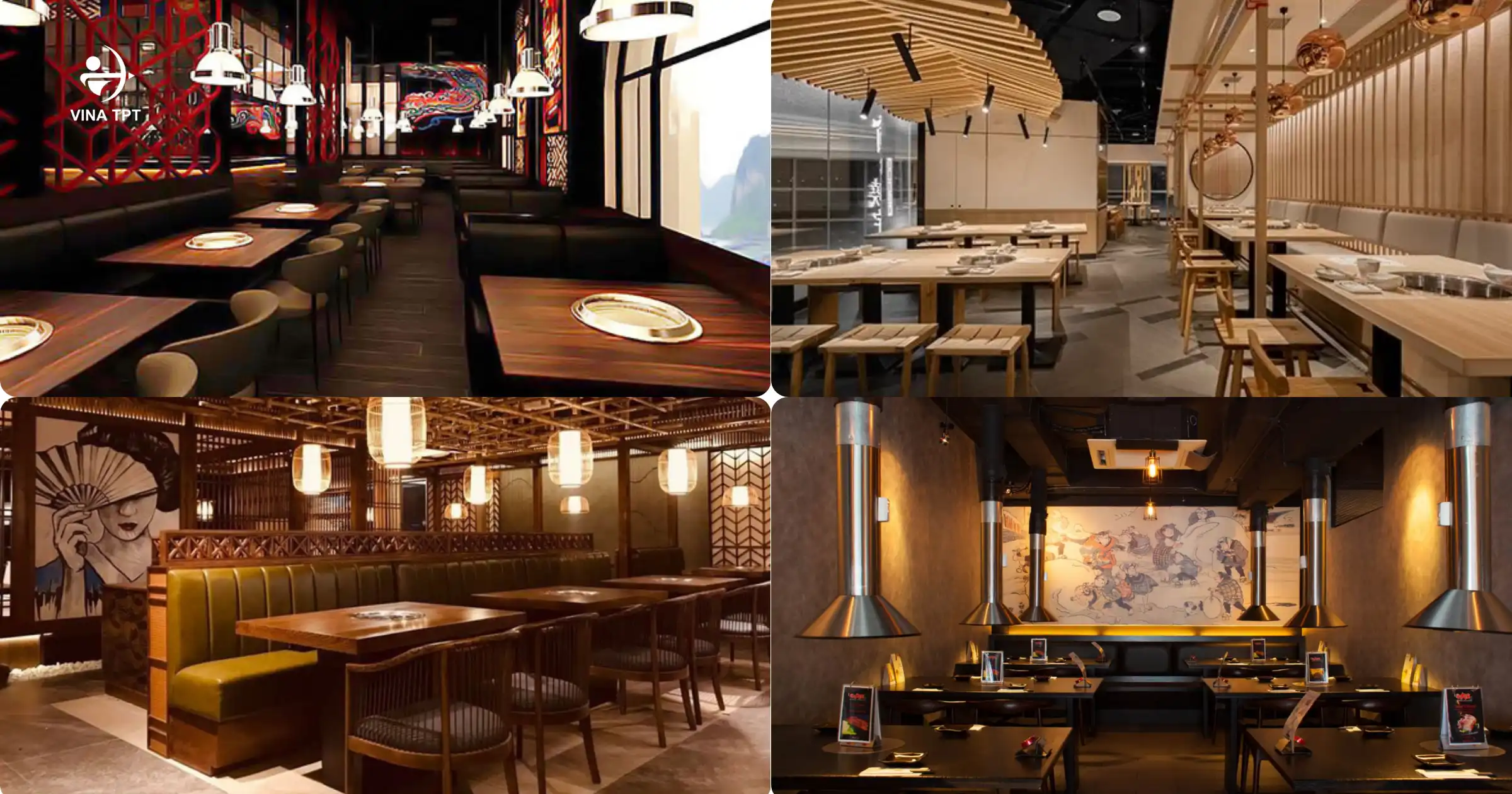
Before going into the licensing process, you can consider a few concepts that are very popular in Vietnam: Korean tabletop BBQ, K-café & dessert, fast-casual K-food (fried chicken, mixed rice), and fusion/comfort food concepts. Each concept will affect the scale, location, and type of license required, so you should determine the concept before starting

 business-license-in-vietnam


2. Step 1 – Understanding Vietnam’s F&B Business License Requirements

To open a restaurant or cafe in Vietnam, Korean investors need the following types of business licenses in Vietnam:

  • Investment Registration Certificate (IRC): certifying that the company legally authorizes an investment project and records its key details
  • Enterprise Registration Certificate (ERC): certifying that the company is legal and allowed to operate in Vietnam.
  • Food Safety and Hygiene Certificate: required for food processing or serving establishments.
  • Fire Safety Certificate: ensures that the location meets fire prevention and fighting standards.
  • Other local permits: such as sign registration, environmental license (if there is a food production scale).

Full preparation of these business license in Vietnam helps companies operate legally, avoiding the risk of being fined or having their business suspended. 

3. Step 2 – Choosing the Right Legal Structure for Korean Investors

When setting up a business in Vietnam, Korean investors can choose one of three popular legal forms:

  • 100% foreign-owned company: Full management, suitable for brands with experience and large capital.
  • Joint Venture: Cooperate with Vietnamese partners, helping to understand the market and process licenses faster.
  • Franchise model: Flexible solution for BBQ or cafe chains that want to expand their brand without directly managing operations.

Each model has its own advantages and disadvantages, depending on the scale, capital, and long-term development strategy of the Korean brand in Vietnam. In addition, at this stage, the most important thing is to determine whether to apply for an Investment Registration Certificate (IRC) or not, as this procedure will affect the entire time and plan of operation later.

According to the Vietnam Investment Law, an IRC is a mandatory license if Korean investors want to:

  • Establish a 100% Korean-owned company in Vietnam (e.g., a company managing a BBQ chain, cafe, bakery, etc.);
  • Contribute more than 51% of capital to a Vietnamese company operating in the F&B sector;
  • Open a branch or restaurant under a Korean parent company.

In this case, the process will include two stages:

  • Apply for IRC: Investment Registration Certificate, issued by the Department of Planning and Investment (DPI).
  • Apply for ERC: Enterprise Registration Certificate (similar to a company establishment license).

The estimated time for completion is:

Document preparation: 1-2 weeks, depending on the volume of documents and the level of complexity.

  • IRC appraisal: 20-45 working days.
  • ERC issuance: 10-20 working days after IRC (or similar if the enterprise is a domestic enterprise).

4. Step 3 – The Registration & Licensing Process Explained

 business-license-in-vietnam

The process of setting up a business license in Vietnam includes the following basic steps:

  1. Preparing legal documents (investor passport, company charter, legal head office address).
  2. Complete the application and apply for IRC, ERC.

If the project has FDI capital, IRC is the first license allowing the investor to implement the project in Vietnam.

The required documents usually include:

  • Application for investment project implementation and Project proposal: stating the objectives, scale, location, investment capital, progress.
  • Proof of the investor’s financial capacity: bank statement, credit contract or collateral.
  • Legal documents of the investor:
    • Individual: Notarized passport, consular legalization.
    • Organization: Business registration certificate or equivalent document, consular legalization.
  • Project location: lease contract or land/office use rights certificate.

After the IRC is granted (or for 100% domestic-owned enterprises), the investor applies for an ERC – an official license for the enterprise to operate, and also the tax code of the company.

The ERC dossier usually includes:

  • Application for enterprise registration.
  • Company Charter: stipulates the organizational structure, powers of members/shareholders, capital ratio and management method.
  • List of members/shareholders and legal representatives: clearly state information, ownership ratio, voting rights.
  • Appointment decision and authorization letter (if any).
  • Capital contribution plan & financial evidence: bank statement or credit contract (especially important for large capital projects).

      3.Register for tax code and electronic invoice.

      4.Open a company bank account and pay charter capital.

      5.Carve the company seal and register the sample seal with the authorities. 

GET EXPERT BUSINESS REGISTRATION SUPPORT

5. Step 4 – Post-License Requirements for F&B Businesses

After obtaining the operating license, the enterprise needs to complete the following post-registration procedures:

  • Renting a business premises in accordance with local planning
  • Signing a labor contract and registering personnel with the labor management agency
  • Registering taxes and social insurance for employees
  • Signing contracts with suppliers of raw materials and operating services
  • Checking and certifying food safety before opening
  • Registering for trademark protection to protect intellectual property rights in Vietnam

These steps help enterprises ensure comprehensive compliance and be ready to operate stably.

6. Simplify Your Market Entry with Vina TPT Company Registration Service

With many years of experience supporting Korean F&B brands in Vietnam, Vina TPT Company Registration Service provides a complete solution including:

  • Consulting on choosing the right type of business
  • Drafting and submitting registration documents to the Department of Planning and Investment
  • Applying for hygiene, fire prevention and trademark licenses
  • Setting up accounting, tax and labor systems according to Vietnamese regulations

Vina TPT acts as a “one-stop service” to help Korean investors shorten time, reduce legal risks and focus on brand development.

7. From Startup to Success: Launching Your Korean BBQ or Café Smoothly

Opening a Korean restaurant or cafe in Vietnam is not only an attractive business opportunity, but also a journey to bring Korean culinary culture closer to Vietnamese customers. With clear instructions and a reliable legal partner like Vina TPT, the business registration process will become simpler, more legal and sustainable than ever.

Contact Vina TPT today for detailed advice on the F&B business license in Vietnam – fast, transparent and legal.

BOOK A FREE CONSULTATION