Financial statement preparation and compliance in 2025 for Japanese firms

Financial statement preparation and compliance in 2025 for Japanese firms

Financial statement preparation and compliance in 2025 for Japanese firms

1. Why 2025 Brings New Financial Reporting Challenges for Japanese Companies in Vietnam

2025 is considered an important milestone for Japanese enterprises operating in Vietnam. The constant change in tax and accounting policies, especially the regulations on Value Added Tax (VAT) and Corporate Income Tax (CIT), makes the preparation of financial statements more complicated and requires higher accuracy than ever.

For foreign-invested enterprises (FDI), especially Japanese enterprises, annual financial statements must be independently audited before being submitted to the tax authorities. This process requires early preparation, data must be complete, clear and can be easily compared with the accounting system at the headquarters in Japan. Compared to domestic enterprises, Japanese companies often spend more time on the comparison, consolidation and review stages, especially when there are differences between Vietnamese and Japanese accounting standards.

2. Key Financial Reports Every Japanese Firm Must Prepare

In Vietnam, all enterprises, especially foreign-invested enterprises (FDI), must prepare a complete set of financial statements according to Vietnamese Accounting Standards (VAS). This set of reports is not only a legal requirement to submit to tax authorities and independent auditors, but also a basis for Japanese enterprises to consolidate financial data with their headquarters in Japan.

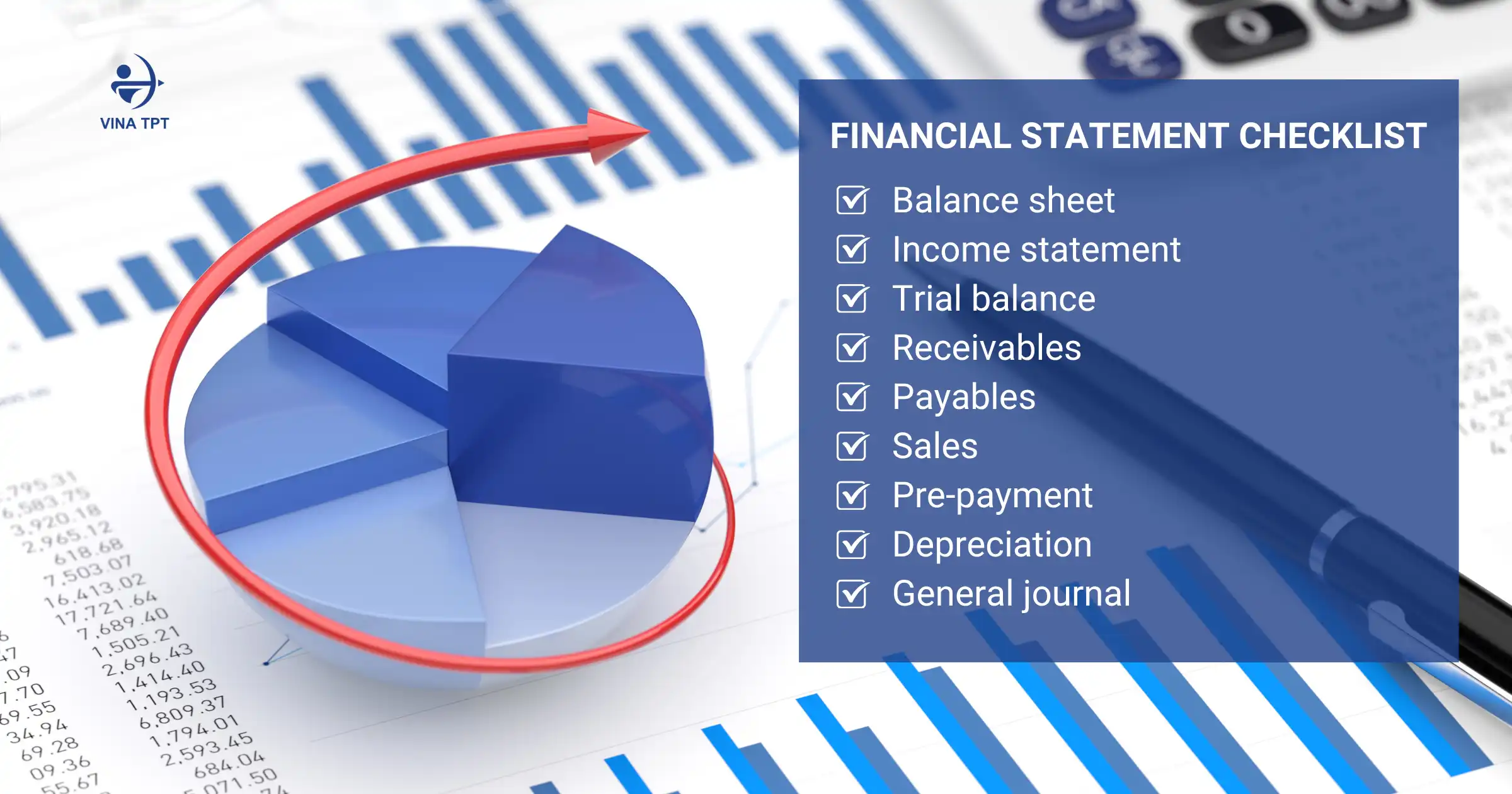
The three core reports include: Balance Sheet, Income Statement, and Cash Flow Statement.

Compared to J-GAAP (Japanese Generally Accepted Accounting Principles), VAS has some important differences that Japanese enterprises should note. For example, VAS requires depreciation of fixed assets according to the fixed time frame of the Ministry of Finance of Vietnam, while J-GAAP allows more flexibility based on the actual economic life of the asset. In addition, VAS recognizes revenue when ownership is transferred, not when invoices are issued as in some cases in Japan. Regarding consolidated reporting, VAS applies a different calculation method for minority interests and exchange rate differences than the Japanese standard, so if not adjusted in time, the data when consolidated to the parent company can be significantly different.

Therefore, during the financial statement preparation stage, Japanese companies often have to maintain two sets of data in parallel, one according to VAS standards to serve legal obligations in Vietnam, and one according to J-GAAP to serve the consolidated reporting to the head office. Handling this dual standard requires great care, in-depth understanding of both accounting systems, and close coordination between the internal accounting team, auditors, and consulting units such as Vina TPT Accounting service.
Financial statement preparation and compliance in 2025 for Japanese firms

3. Common Pitfalls in Year-End Financial Reporting

When it comes to preparing and submitting financial statements, many Japanese companies in Vietnam often encounter systematic errors that affect the auditing and tax compliance process.

3.1. Consolidation Differences Between Vietnam and Japan

One of the most common issues is the difference in financial statement consolidation between the branch in Vietnam and the headquarters in Japan. Vietnamese Accounting Standards (VAS) have many differences compared to J-GAAP, especially in handling exchange rate differences, classifying fixed assets and recording prepaid expenses.

According to i-Glocal’s analysis (2024), many Japanese FDI enterprises often have to prepare separate financial statements and consolidated reports in parallel, making the data reconciliation process complicated and prone to errors.

3.2. Lack of Valid Expense Documentation

Another common error is the lack of valid documents for deductible expenses. The 2023 report of the General Department of Taxation of Vietnam shows that more than 30% of tax inspection reports of FDI enterprises are related to invalid invoices, documents or incorrect accounting of deductible expenses.

These errors often lead to adjustments to taxable profits, collection of corporate income tax (CIT) and late payment penalties, directly affecting the reputation and financial planning of the parent company.

3.3. Exchange Rate Handling Issues

The handling of exchange rates is also a cause of discrepancies in financial statements. According to Circular 200/2014/TT-BTC, enterprises must use the actual exchange rate at the time of the transaction and prepare financial statements in Vietnamese Dong (VND).

However, many Japanese companies still use internal exchange rates according to Japanese accounting standards, leading to discrepancies when preparing reports to send to Vietnamese tax authorities, especially in the handling of foreign currency revenue and expenses.

3.4. Late Audit Submission and Transparency Requirements

Some Japanese enterprises in Vietnam also have problems submitting audit reports on time or not meeting financial transparency requirements. According to Vietnam Briefing (2024), all FDI enterprises must complete independent audits and submit financial reports within 90 days of the end of the fiscal year.

If the report is submitted late or does not meet standards, the enterprise may be subject to administrative fines, restricted from repatriating profits and face difficulties in renewing its investment license.

These risks not only increase compliance costs, but also directly affect the reputation and progress of consolidated reporting in Japan. Therefore, Japanese enterprises need to focus on controlling documents, complying with VAS and preparing financial records from the beginning to avoid being passive during the audit period.

In summary, full compliance with Vietnamese Accounting Standards (VAS) and financial statement regulations not only helps Japanese enterprises ensure financial transparency and accuracy, but also minimizes tax and audit risks. Proactively reviewing periodically and coordinating with professional accounting units in Vietnam is an important step to maintain stability in financial management and strengthen trust with Japanese management agencies and partners.

EXPERT YEAR-END FINANCIAL REPORTING SUPPORT

4. Outsourced Bookkeeping: The Smart Way to Stay Compliant

Faced with a large volume of accounting work and strict compliance requirements, more and more Japanese enterprises in Vietnam choose outsourced bookkeeping instead of maintaining an in-house accounting team. This solution helps save on personnel costs, ensures accuracy in reporting, and easily coordinates with auditors and tax authorities. Vina TPT Accounting service provides a complete outsourced bookkeeping service exclusively for Japanese enterprises, including: bookkeeping, preparing bilingual financial statements (English – Japanese – Vietnamese), and reviewing data before auditing. Vina TPT’s outstanding strength is its team of experts who can communicate fluently in Japanese, understand Japanese accounting standards (J-GAAP) and Vietnamese regulations (VAS), helping customers easily exchange, compare and consolidate financial data.

5. How Vina TPT Supports Japanese Firms for 2025 Compliance

Entering 2025, when the demand for financial transparency is increasing, Japanese enterprises need a partner who not only does accounting but also accompanies them throughout the entire compliance process.
Financial statement preparation and compliance in 2025 for Japanese firms

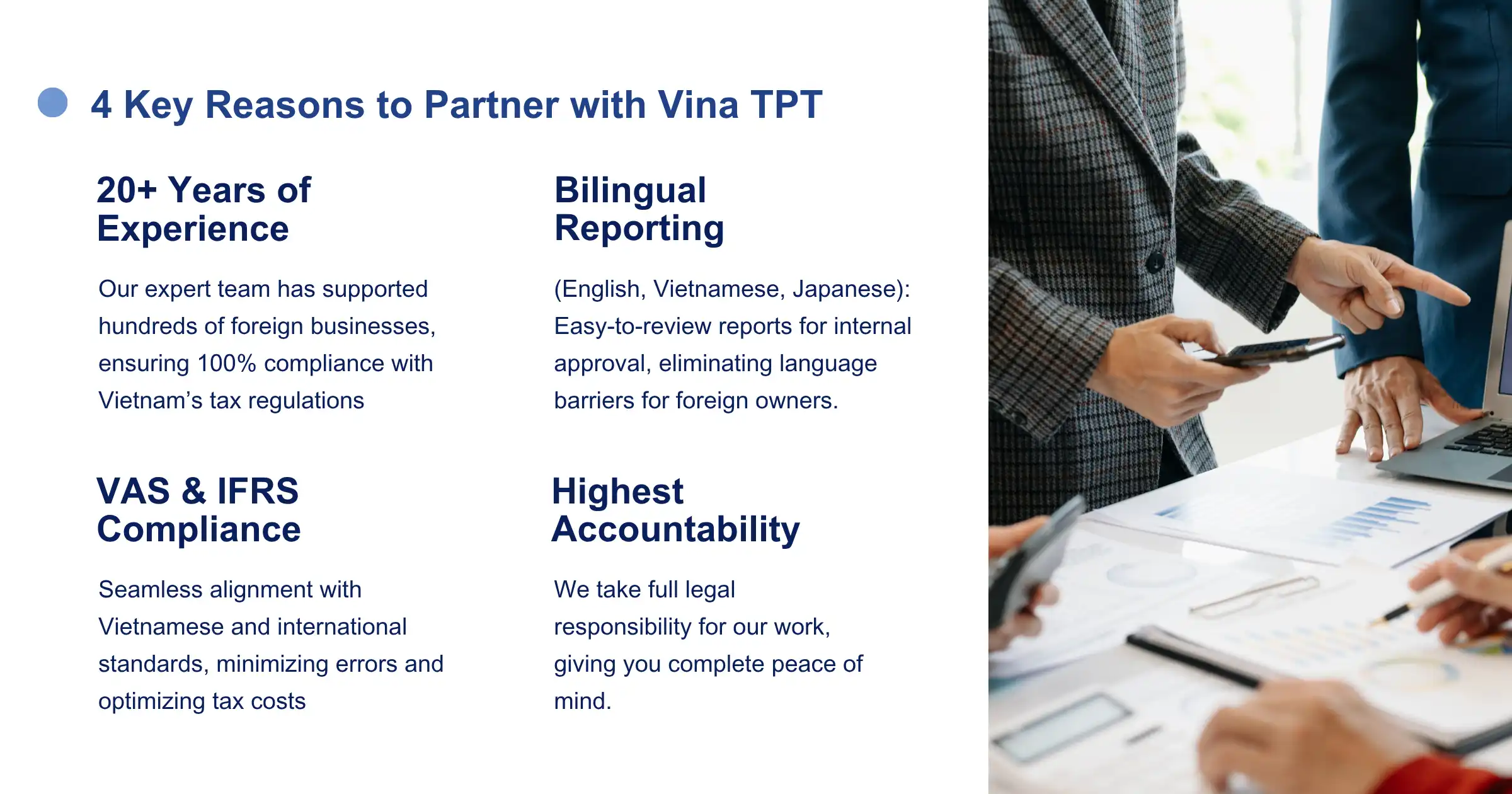
Vina TPT Accounting service provides comprehensive solutions including:

  • Preparing and reviewing bilingual financial statements (Japanese – Vietnamese): ensuring easy to understand, accurate and ready for audit.
  • Consulting on consolidated reports for Japanese corporations: supporting data conversion from VAS to J-GAAP or IFRS.
  • Consulting and coordinating audits: working directly with independent auditors, helping to reduce review time and limit post-audit adjustment risks.
  • Monitoring and updating the latest tax – accounting policies: ensuring reports are always in compliance with the regulations of the Ministry of Finance of Vietnam.

With a team of experienced accountants and auditors fluent in three languages ​​(Japanese, English, Vietnamese), Vina TPT helps Japanese enterprises in Vietnam maintain a transparent accounting system, comply with and optimize operating costs in accordance with international standards and Vietnamese law.

For comprehensive advice on financial statement preparation, auditing and tax compliance solutions in 2025, contact VinaTPT.

BOOK A FREE CONSULTATION

Vina TPT Accounting services

Business setup and operational licensing for Chinese hotpot and bubble tea chains in Vietnam

Business setup and operational licensing for Chinese hotpot and bubble tea chains in Vietnam

Business setup and operational licensing for Chinese hotpot and bubble tea chains in Vietnam

1. Why Chinese Hotpot and Bubble Tea Chains Are Eyeing Vietnam Now

In recent years, Vietnam has become a top attractive destination to register a company in the fields of hotpot and bubble tea chains from China. This attraction comes from the impressive growth rate of the F&B market, the strong expansion of the middle class, and the experiential consumption trend of Gen Z in large cities such as Ho Chi Minh City, Hanoi and Da Nang.

According to a report by Vietnam Briefing (2024), the scale of the food service industry in Vietnam has reached 688.8 trillion VND, equivalent to about 27.3 billion USD, an increase of 16.6% compared to the previous year. Similarly, research by iPOS.vn and Nestlé Professional shows that the Vietnamese F&B industry will maintain a growth rate of about 9.6% per year in the period 2024-2025. Looking further ahead, Mordor Intelligence estimates that the Vietnamese food-service market will reach a size of 41.22 billion USD by 2030, with an average growth rate of 10.7%/year.

These figures clearly reflect the huge potential of the Vietnamese culinary industry, where the demand for dine-out and chain models is growing. With advantages in raw material supply, reasonable premises costs and a young population that loves to experience, Vietnam is becoming a “golden land” for hotpot and bubble tea brands from China.

However, opportunities always go hand in hand with challenges. To be successful, brands not only need to understand the procedures for registering a company or the company formation process, but also need to deeply understand local culinary culture, taste and consumer behavior, key factors that help turn the market boom into a sustainable advantage.

2. The Real Challenge: Localization, Not Just Licensing

Many Chinese brands entering Vietnam face difficulties not in licensing, but in adapting to the market (localization).

Vietnamese people prefer lighter, less spicy, less greasy tastes compared to Chinese cuisine. In addition, rental costs in central areas are increasing rapidly, while requirements for experience space, especially for high-end hotpot models, are increasingly strict.

Human resources to operate a chain of many branches is also a big challenge. Chinese brands inherently have a methodical process, but when applied in Vietnam, they need to standardize training, quality control and service processes to ensure consistency.

Therefore, licensing is just the tip of the iceberg. The bigger problem lies in adapting the operating model to suit the consumer culture and legal environment in Vietnam.

register-a-company

3. Choosing the Right Entry Model: Direct Ownership vs. Master Franchise

Before starting to register a company, investors need to determine the market penetration model. There are two popular strategies:

Direct Ownership (Self-investment and operation)

  • Advantages: Full control over the brand, product quality and customer experience.
  • Disadvantages: High investment costs, longer time to apply for licenses and set up operations.
  • Suitable for: Large brands that want to build a high-end image, create the first flagship store in Vietnam.

Master Franchise (Regional franchising)

  • Advantages: Helps brands expand quickly, reduce financial risks and take advantage of local networks.
  • Disadvantages: Requires a clear mechanism for quality monitoring, training and profit sharing.
  • Suitable for: Bubble tea chains or fast-casual hotpots that want to quickly cover the market.

In fact, many Chinese brands have chosen to combine both models: opening the first store directly to control the image, then franchising to expand to other provinces and cities.

Whichever direction is chosen, investors need to follow the company formation process and comply with the legal regulations on franchise business in Vietnam – including registering the franchise contract with the Ministry of Industry and Trade and periodically declaring taxes.

GET EXPERT GUIDANCE ON ENTRY MODELS

4. Building a Compliant but Scalable Operation

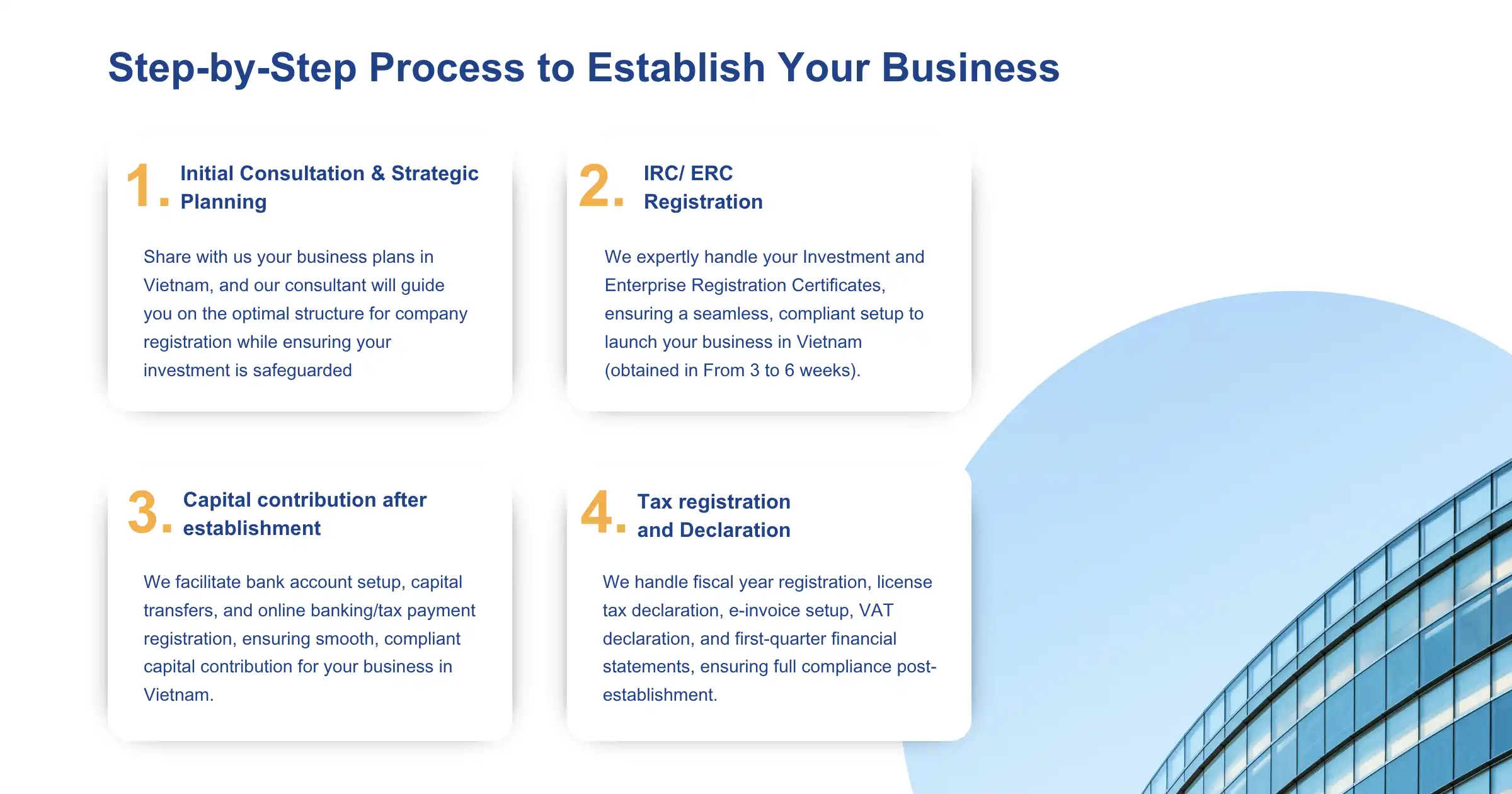
For hotpot or bubble tea chains to expand sustainably in Vietnam, building a legal foundation and licensing right from the beginning is a vital factor. Many international F&B brands have encountered difficulties when developing in Vietnam not because of their products or marketing strategies, but because they have not established a tight legal and operational system from the beginning. When starting a business in Vietnam, F&B businesses need to complete the following procedures:

  • Investment Registration Certificate (IRC) if there is a foreign capital element.
  • Enterprise Registration Certificate (ERC) to legally establish a company in Vietnam.
  • Registering conditional business codes: including food and beverage (5610), food processing (1079), and beverages (4722).

The estimated time for completion is:

  • Document preparation: 1-2 weeks, depending on the volume of documents and the level of complexity.
  • IRC appraisal: 20-45 working days.
  • ERC issuance: 10-20 working days after IRC (or similar if the enterprise is a domestic enterprise).

Applying for “sub-licenses” (operational licenses) including:

  • Food Safety Certificate.
  • Fire prevention and fighting license for each facility.
  • Alcohol sales license (if any).
  • Registering environmental and labor hygiene according to the scale of the restaurant.

These licenses are issued by different agencies (Department of Finance, Department of Food Safety, Fire Police…), so it requires smooth coordination in the documents. 

5. Your Strategic Next Step

As the Vietnamese F&B market is entering a period of fierce competition, having a consulting partner with a good understanding of the local legal and business environment will not only help businesses “open a shop”, but also “build a sustainable brand”. This is the value that Vina TPT company registration brings to F&B chains from China.

With more than 20 years of experience in registering a company and consulting on company formation for foreign businesses, Vina TPT has a deep understanding of each stage that a brand must go through – from the initial market survey, choosing an investment model, to completing legal documents and implementing chain operations.

Vina TPT’s team of experts not only handles administrative procedures, but also accompanies businesses as strategic advisors, helping them:

  • Consulting on suitable legal models: choosing between 100% foreign capital, joint ventures, or franchise business to optimize control and cost advantages.
  • Set up a complete investment profile & business registration package: prepare all IRC, ERC documents, register conditional industry codes for F&B, and apply for operating licenses.
  • Ensure compliance with local regulations: detailed guidance on tax, accounting, human resource management, and standardize operating procedures to meet inspection and testing requirements.

With professional support from Vina TPT company registration, businesses no longer have to worry about legal risks or complicated procedures – instead, they can focus all their efforts on developing their brand, improving customer experience and expanding market share in one of the most dynamic F&B markets in Southeast Asia.

Let Vina TPT become your strategic partner to help you start your business journey in Vietnam legally, effectively and sustainably.

CONTACT YOUR EXPERTS

register-a-company

Understanding Vietnam’s licensing requirements for premium F&B concepts from America

Understanding Vietnam’s licensing requirements for premium F&B concepts from America

Company-formation

1. Finding Your Market Fit Before Registering a Company in Vietnam

Vietnam is becoming an attractive destination for international F&B brands, especially high-end models from the US. However, before starting the company formation process, investors need to clearly understand local consumer behavior and culinary trends in major cities such as Ho Chi Minh City, Hanoi, and Da Nang. 

Unlike the US market, Vietnamese customers have a strong differentiation between high-end and mass consumer groups. Therefore, determining brand positioning such as casual dining, premium restaurant, or street concept, plays a decisive role in choosing an investment model. Careful research helps businesses avoid opening in the wrong segment, reducing financial risks when operating the first store.

2. Choosing the Right Business Model for Your F&B Chain

Not all models are suitable for Vietnamese regulations. American brands can choose three main directions:

  • 100% foreign-owned companies: proactively manage the brand, ensure consistent quality, but the legal process is more complicated.
  • Cooperating with local partners: helps shorten the time to penetrate the market, but requires a clear brand and financial control mechanism.
  • Franchising: suitable for brands with a reputation, but requires the franchise contract to be legally registered with the Ministry of Industry and Trade.
  • Mergers & Acquisitions (M&A): For investors seeking a faster route, acquiring an existing Vietnamese F&B company can be highly effective. However, this approach demands thorough due diligence, including legal, financial, and operational assessments to ensure compliance and minimize hidden risks.

The choice of model directly affects the type of legal entity when performing company registration services as well as the tax structure, licenses and initial investment costs.

SELECT THE BEST BUSINESS STRUCTURE IN VIETNAM

3. Company Registration Services That Simplify Expansion

Registering an F&B company in Vietnam requires careful legal preparation. Investors need to complete the investment certificate (IRC) – if there is foreign capital, and enterprise registration certificate (ERC).

The F&B sector in Vietnam belongs to the group of “conditional” industries, which means that after being granted an ERC, businesses cannot operate immediately but need to register additional related industry codes:

  • Code 5610: Restaurant and catering services.
  • Code 5629: Other food and beverage services.
  • Code 4632: Wholesale of food and beverages.
  • Code 4722: Retail sale of food in specialized stores.

Registering the correct industry code helps businesses to conveniently apply for sub-licenses such as Food Safety Certificate, Fire Prevention and Fighting License, Alcohol and Beer Sales License, etc.

To ensure the business establishment process is quick and in compliance with regulations, international F&B brands should cooperate with a professional company registration service provider. This solution helps shorten the multi-step legal process, ensures accurate records and completes procedures on time. 

Vina TPT company registration service helps businesses shorten the time, prepare documents according to FDI standards, and ensure compliance with all licensing regulations in Vietnam.

Company-formation

4. Licensing and Compliance: What F&B Investors Often Miss

Many international F&B brands fail in Vietnam not because of poor products, but because they do not understand the Vietnam F&B market licensing requirements. To operate legally, businesses need:

  • Food Safety License for processing or serving locations.
  • Fire prevention and fighting license for each facility, issued after completing technical acceptance.
  • License to sell wine, beer or alcoholic beverages if they are on the list of conditional businesses.
  • Environmental and labor hygiene license, especially for large-scale processing facilities.

Missing one of these licenses can result in a business being suspended or being fined. Preparing all documents and complying from the beginning helps the inspection, acceptance and licensing process go smoothly, while also building a professional brand image in the eyes of Vietnamese management agencies.

5. Building a Scalable System: HR, Tax & Operations

As the F&B chain expands, the management problem becomes more complicated. Investors need to have a tightly operating human resource (HR), tax and accounting management system. Vietnam requires businesses to declare taxes monthly, finalize taxes annually and comply with regulations on accounting for FDI enterprises.

Setting up an internal ERP system and cooperating with a local consulting unit helps businesses minimize fixed costs, while controlling financial activities, profits, and tax obligations. In addition, good compliance with business license tax and regulations on electronic invoices helps businesses avoid the risk of being subject to surprise inspections.

6. Partnering with Experts Like Vina TPT to Go Further

Instead of handling dozens of administrative procedures and legal regulations themselves, many international F&B brands choose Vina TPT company registration service as their strategic partner in Vietnam.

With a team of experts with numerous experience in the field of business registration, investment consulting and F&B licensing, Vina TPT provides full support from company formation, FDI dossier preparation, operating license to accounting and tax after establishment.

Vina TPT experts not only understand Vietnamese regulations, but also have experience supporting many American and Japanese brands to successfully deploy premium dining models. This helps investors focus on the core, customer experience and brand development, instead of wasting time on administrative procedures.

Start successfully in the Vietnamese market today by contacting Vina TPT now!

BOOK A FREE CONSULTATION

Company-formation

Company registration service for Japanese mechanical manufacturing

Company-registration-service-for-Japanese-mechanical-manufacturing

register-a-company-service-for-japanese

1. Vietnam – A Strategic Base for Japanese Mechanical Manufacturers

Register a company in Vietnam has become increasingly appealing, as the country has emerged over the past decade as a new manufacturing hub in Asia, particularly attractive to Japanese mechanical engineering companies. The reasons come from reasonable operating costs, highly skilled technical human resources and a favorable geographical location for connecting the regional supply chain. In addition, the Vietnamese government has also implemented many tax incentives and infrastructure support policies to attract FDI, especially in the field of mechanical engineering and supporting industries.

For Japanese enterprises, setting up a business in Vietnam not only helps reduce costs but also expands access to the ASEAN market, while maintaining production quality according to Japanese standards. This is the reason why more and more mechanical corporations choose Vietnam as a strategic production base in Southeast Asia.

2. Legal Requirements to Register a Mechanical Manufacturing Company

To register a mechanical manufacturing company in Vietnam, businesses need to carry out some important legal procedures:

2.1 Investment Registration Certificate (IRC) if there is foreign capital.

IRC is the first license allowing the investor to implement the project in Vietnam.

The required documents usually include:

  • Application for investment project implementation and Project proposal: stating the objectives, scale, location, investment capital, progress.
  • Proof of the investor’s financial capacity: bank statement, credit contract or collateral.
  • Legal documents of the investor:
    • Individual: Notarized passport, consular legalization.
    • Organization: Business registration certificate or equivalent document, consular legalization.
  • Project location: lease contract or land/office use rights certificate.

After the IRC is granted (or for 100% domestic-owned enterprises), the investor applies for an ERC – an official license for the enterprise to operate, and also the tax code of the company.

2.2 Enterprise Registration Certificate (ERC) at the Department of Finance.

The ERC dossier usually includes:

  • Application for enterprise registration.
  • Company Charter: stipulates the organizational structure, powers of members/shareholders, capital ratio and management method.
  • List of members/shareholders and legal representatives: clearly state information, ownership ratio, voting rights.
  • Appointment decision and authorization letter (if any).
  • Capital contribution plan & financial evidence: bank statement or credit contract (especially important for large capital projects).

For the mechanical industry, some activities such as heavy metal processing, precision mechanical equipment manufacturing or industrial machinery assembly may require additional specialized licenses or technical safety certificates.

Using a professional service to register a company helps investors avoid legal errors and ensures that documents are processed in accordance with the regulations of Vietnamese authorities.

REGISTER YOUR COMPANY IN VIETNAM NOW

3. Site Selection and Industrial Licensing for Manufacturing Facilities

Choosing a factory location is one of the most important strategic decisions when Japanese mechanical enterprises register a company in Vietnam. A suitable location not only affects the initial investment cost but also determines production efficiency and future expansion.

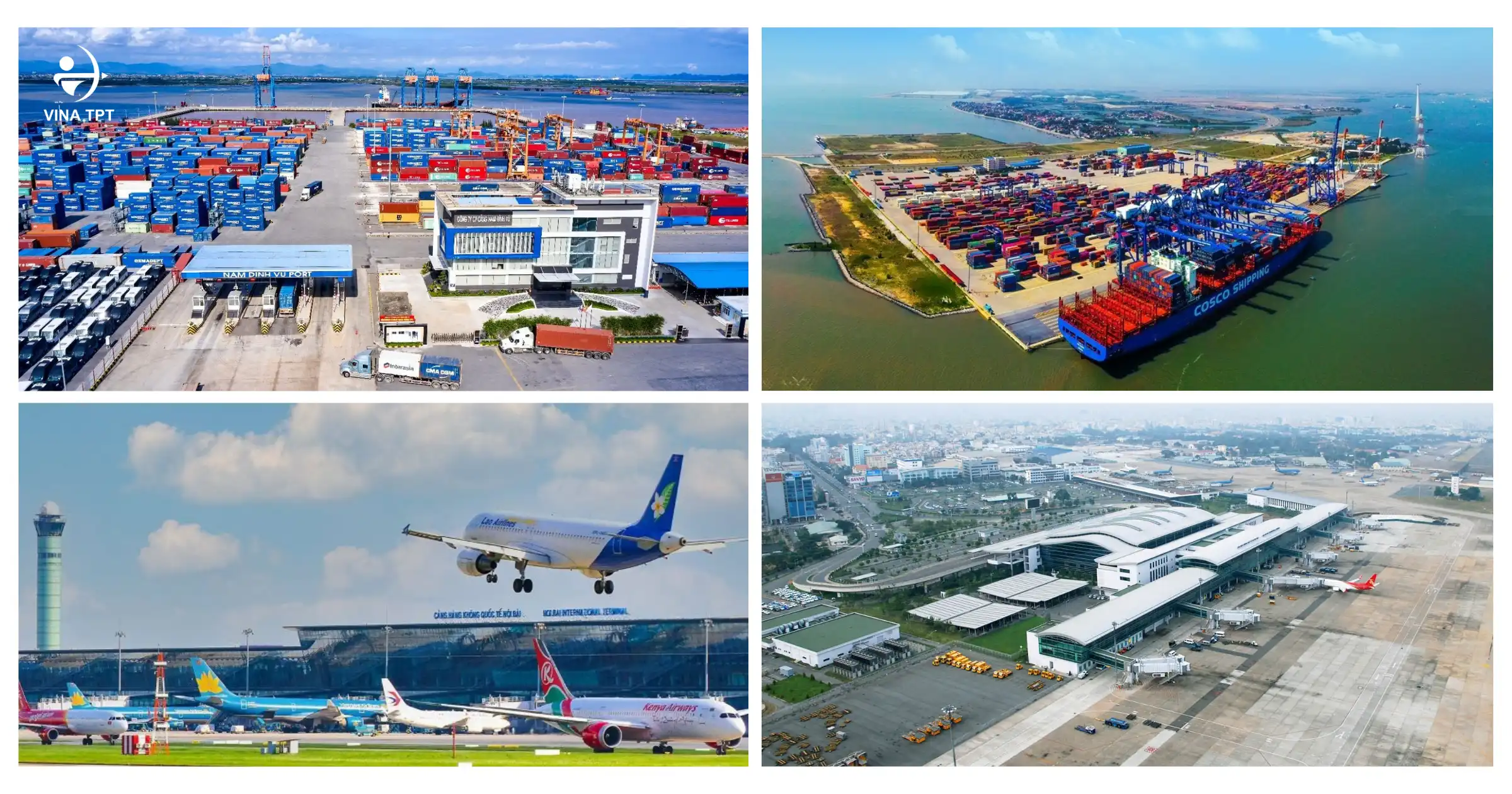
In terms of location, northern regions such as Bac Ninh, Hai Phong, Hung Yen have the advantage of being close to seaports, convenient for exporting to Japan and ASEAN. Meanwhile, southern regions such as Binh Duong, Dong Nai, Long An have good industrial infrastructure and support services, suitable for domestic supply chains. In addition to land rental costs, businesses also need to consider the ability to recruit technical workers – industrial parks near training centers in Hanoi or Ho Chi Minh City help reduce personnel costs.

register-a-company-service-for-japanese

Investment incentives are also a factor worth considering: corporate income tax exemption for the first 2-4 years, 50% reduction in the following years, support for infrastructure costs or land rental. Many localities also have their own promotion programs for Japanese investors.

After selecting a location, businesses must complete the factory operation licenses, including:

  • Construction license according to the approved industrial park planning.
  • Environmental impact assessment (EIA) report according to regulations of the Ministry of Natural Resources and Environment.
  • Certificate of safety of machinery and equipment, especially for imported mechanical lines.
  • Fire safety certification, ensuring safety systems and labor standards.

Completing all these procedures helps businesses operate legally, avoid interruptions in the production process and facilitate future expansion or investment incentives.

4. Understanding Vietnam’s Regulatory Standards for Mechanical Production to Register a Company 

For Japanese mechanical enterprises, establishing a factory in Vietnam involves not only investment and location but also compliance with local technical, safety, and quality standards, a key factor to maintain reputation and meet global requirements.

4.1. Technical Standards System

Vietnam applies two main groups of standards:

  • TCVN (Vietnam National Standards): Recommended standards based on ISO and JIS, used to control quality and production processes.
  • QCVN (Technical Regulations): Mandatory standards on safety, emissions, and energy use. Non-compliance can lead to fines or suspension.

For export-oriented firms, applying ISO 9001, ISO 14001, ISO 45001, and JIS standards ensures product quality equivalent to factories in Japan.

4.2. Equipment Inspection and Product Certification

All imported machinery are CNCs, lathes, welding, or lifting equipment, and must pass technical safety inspections before operation. Products supplied to FDI projects or exports require CR/CQ certificates, and some industries also need IATF 16949 certification.

Proactive inspection and certification reduce technical risks and enhance global competitiveness.

4.3. Environmental and Workplace Safety

Mechanical factories must install air, wastewater, and waste treatment systems meeting national standards. Enterprises also need regular safety training, inspection of lifting equipment and electrical systems, and proper protective gear.

Strict compliance not only fulfills legal requirements but reflects the Japanese values of safety, discipline, and quality.

4.4. Advantages of Japanese Enterprises

By maintaining JIS or Kaizen-5S management models, Japanese enterprises can:

  • Transfer technology easily
  • Build trust with authorities and partners
  • Access programs from JETRO, JBIC, and Vietnam-Japan cooperation projects

This foundation supports stable, long-term investment with optimized costs and minimal legal risk.

5. How Vina TPT Company Registration Service Simplifies the Setup Process

In the context of the increasingly complex Vietnamese legal system, register a company for foreign enterprises, especially in the mechanical field, requires in-depth knowledge of investment, accounting, tax and technical standards. Vina TPT company registration service was established with the mission of supporting foreign investors, especially Japanese enterprises, to set up business operations in Vietnam quickly, legally and effectively.

Vina TPT provides comprehensive solutions for the process of setting up a business in Vietnam, including:

  • Consulting on investment strategies and choosing a business model suitable for the scale of mechanical production.
  • Preparing documents and applying for an Investment Registration Certificate (IRC) and Enterprise Registration Certificate (ERC) according to the provisions of the Investment Law and the Enterprise Law.
  • Consulting on construction permits, environmental permits, equipment safety certificates and mechanical factory operation procedures.

register-a-company-service-for-japanese

Thanks to a closed service system, Vina TPT helps Japanese enterprises save maximum time, reduce legal risks and ensure the factory launch progress on schedule.

The biggest difference of Vina TPT company registration lies in the team of experts with over 20 years of practical experience in the field of corporate law, accounting, tax in Vietnam.

How Vina TPT Supports Japanese Manufacturing Enterprises: 

  • .Proven FDI Experience: Advised many Japanese projects in mechanics, electronics, and supporting industries, fully understanding local licensing and compliance.
  • Cultural Alignment: Operates with Japanese-style precision, transparency, and discipline in all documentation and processes.
  • End-to-End Support: A strategic partner from setup to operation and expansion.
  • Bilingual Team: Fluent Japanese communication ensures smooth coordination and minimized barriers.
  • Focused on Results: Ensures legal compliance, cost efficiency, and sustainable growth for every project.

Contact Vina TPT today for free consultation on the process register a company and setting up a mechanical factory in Vietnam.

CONTACT US NOW

register-a-company-service-for-japanese